



LiveKoora – Live Football Scores Platform Development
For LiveKoora, we developed a high-performance platform for live football scores, focused on speed, ease of use, and SEO growth. The platform delivers real-time match data to a global audience and is built to compete in highly competitive search results.
What We Delivered
1. UI/UX Design
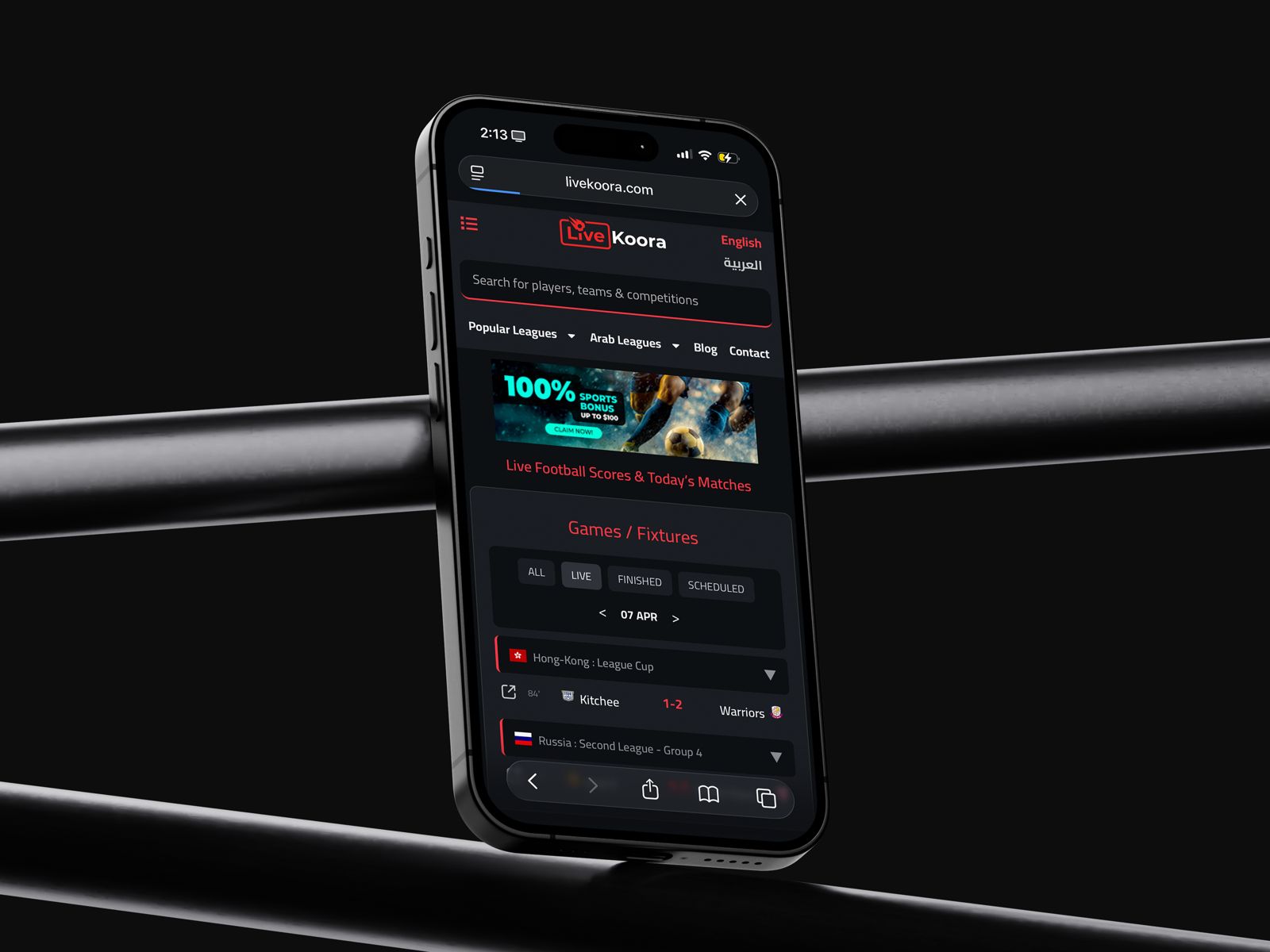
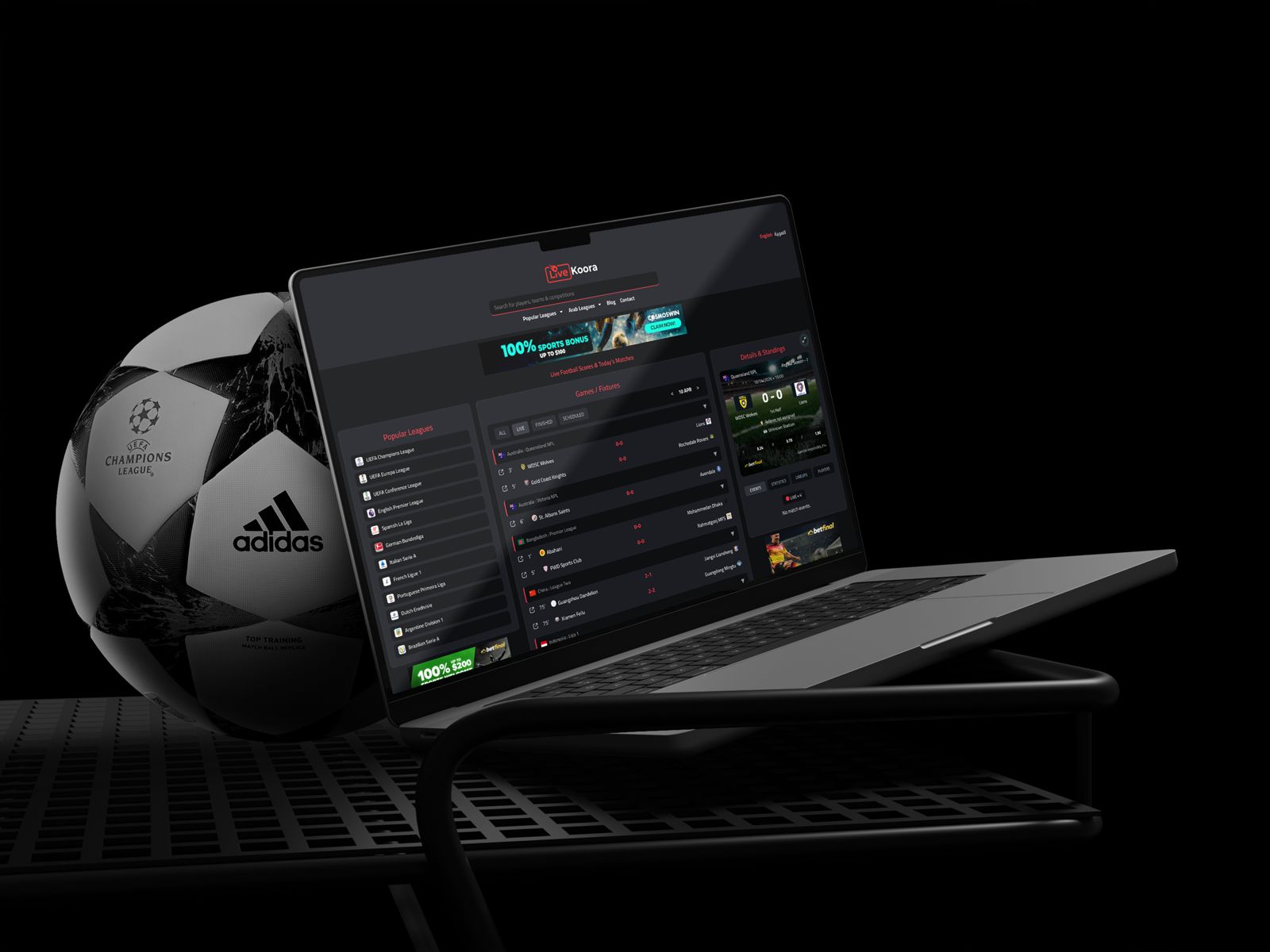
We created a clean, intuitive interface tailored for football fans who want instant access to live scores, fixtures, and match details.
- Mobile-first design (80–90% mobile users)
- Fast navigation between matches, leagues, and countries
- Clear visual hierarchy for live, upcoming, and finished matches
- Dark-mode optimized UI for better readability and engagement
2. Live Data API Integration
A core part of the platform is its real-time data engine.
- Integrated live football data feeds via API
- Dynamic rendering of:
-
- Live scores
- Match events (goals, cards, substitutions)
- Team stats and standings
- Optimized data handling to ensure minimal latency and fast updates
- Scalable structure to support thousands of matches across leagues
3. SEO & Organic Growth Strategy
We built LiveKoora with a strong SEO foundation to compete in high-volume search queries.
- Programmatic SEO structure for:
-
- Match pages
- League pages
- Country pages
- Keyword targeting for high-intent queries like:
-
- “live football scores”
- “matches today”
- Arabic equivalents (e.g., مباريات اليوم)
- Clean URL architecture and internal linking strategy
- Schema markup implementation (SportsEvent, WebPage)
- Optimized metadata and content templates for indexing at scale
4. Performance Optimization
Speed is critical for live sports platforms.
- Lightweight front-end architecture
- Optimized API calls and caching strategies
- Image and asset optimization
- Improved Core Web Vitals (LCP, CLS, TTFB)
5. Multi-Language Support
To target international audiences, we implemented:
- English and Arabic versions
- SEO-friendly hreflang structure
- Localized content strategy for different regions